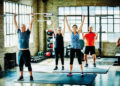


Functional fitness represents a paradigm shift from aesthetics-focused training toward capability-centered preparation—developing physical capacities that directly enhance performance in daily life activities. Rather than isolating specific muscles, functional training emphasizes integrated movement patterns that improve how the body functions as a coordinated system. This approach builds resilient, adaptable physiques equipped to handle real-world demands safely and efficiently.

The philosophy centers on seven fundamental human movement patterns that underlie most daily activities: squatting (sitting and standing), hinging (bending forward with straight back), lunging (stepping and stabilizing), pushing (moving objects away), pulling (bringing objects toward you), rotating (twisting), and gait (walking, running, carrying). Functional fitness programs develop competency in these patterns through exercises that mimic their real-world application with appropriate resistance and complexity.
Functional exercises typically share several characteristics: they’re multi-joint (involving multiple muscle groups working together), often performed standing (engaging core and stabilizers), frequently unilateral (one side at a time, addressing imbalances), and progressively challenging stability requirements. Examples include squats (preparing for chair transitions), deadlifts (teaching safe lifting), push-ups (developing pushing strength), rows (strengthening pulling muscles), lunges (improving single-leg stability), and carries (developing core integrity under load).
Core training in functional fitness extends beyond abdominal aesthetics to encompass the entire “core cylinder”—muscles that stabilize the spine and pelvis during movement. This includes not just superficial abdominals but deep stabilizers like the transverse abdominis, multifidus, pelvic floor, and diaphragm. Functional core exercises like planks, Pallof presses, and farmer’s walks develop stability that transfers to daily activities rather than just creating isolated strength.
Balance and proprioception training form another crucial component. As we age, balance naturally declines unless specifically challenged. Single-leg exercises, balance disc training, and movements with unstable elements improve the body’s ability to sense its position in space and make rapid postural adjustments—critical for fall prevention and navigating uneven terrain.
The principle of specificity suggests that to improve at particular movements, we must practice those movements or close variations. Therefore, functional fitness tailors exercises to individual needs and goals. For an office worker, this might emphasize posture correction and combating sedentary effects. For a parent, it could focus on lifting and carrying children safely. For older adults, priorities include fall prevention and maintaining independence with daily tasks.
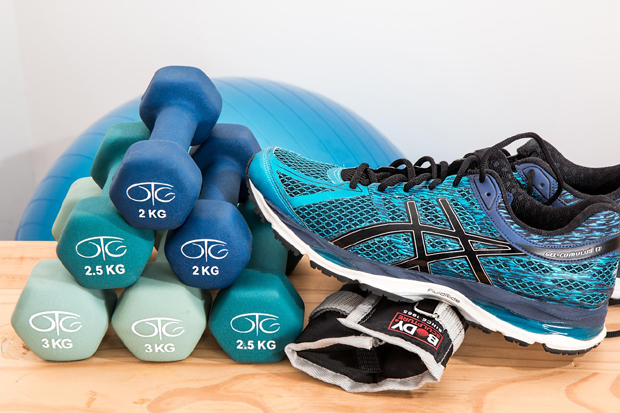
Equipment choices support functional goals. Free weights (dumbbells, kettlebells, barbells) require more stabilization than machines, better mimicking real-world demands. Resistance bands provide variable tension throughout movements. Suspension trainers challenge stability. Even bodyweight exercises offer tremendous functional value when performed with proper progression.
Progressions systematically increase challenge by adding load, complexity, instability, or asymmetry. A squat might progress from bodyweight to goblet squat to barbell back squat. A push-up might progress from wall push-up to incline to floor to alternating medicine ball push-ups. These progressions ensure continued adaptation while maintaining movement quality as the priority.
The ultimate test of functional fitness isn’t a maximum lift in controlled conditions, but rather ease and safety in life’s physical demands—carrying luggage through an airport, playing with children, gardening, or responding to unexpected physical challenges. By training movements rather than just muscles, functional fitness builds bodies that work better in the environments where they actually live.