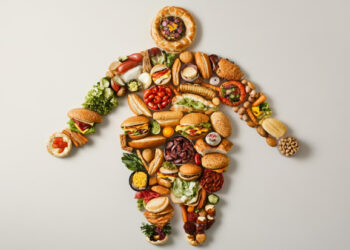



For decades, heart disease has consistently ranked as the leading cause of death for men worldwide. Despite this stark reality, many men treat heart health as a distant concern, often until a warning sign—like a heart attack—forces them to pay attention. The truth is that cardiovascular disease is largely preventable, and understanding the risks, symptoms, and strategies for a healthy heart is a critical component of male longevity and vitality.

Unlike some health issues, heart disease often develops silently over time. The primary risk factors include high blood pressure, high LDL (bad) cholesterol, smoking, diabetes, obesity, a sedentary lifestyle, and excessive alcohol consumption. Family history also plays a significant role. Men often develop heart disease 7-10 years earlier than women, making early and consistent monitoring essential. Symptoms can vary but classic signs of a heart attack include chest pain or pressure, pain radiating to the arm, neck, or jaw, shortness of breath, cold sweats, and nausea. However, men may experience more subtle signs, such as unusual fatigue or indigestion, which are often dismissed.
The cornerstone of prevention lies in lifestyle modification. A heart-healthy diet, often modeled after the Mediterranean diet, emphasizes fruits, vegetables, whole grains, lean proteins (like fish and poultry), nuts, and healthy fats (like olive oil), while limiting processed foods, red meat, and sugary beverages. Regular physical activity—aiming for at least 150 minutes of moderate aerobic exercise per week—strengthens the heart muscle, improves circulation, and helps manage weight and stress.
Beyond diet and exercise, proactive management is key. Men should establish a relationship with a primary care physician for regular check-ups. Knowing your numbers—blood pressure, cholesterol levels, blood sugar, and Body Mass Index (BMI)—is non-negotiable. Managing stress through techniques like mindfulness, deep breathing, or hobbies is also crucial, as chronic stress can elevate blood pressure and contribute to inflammation. Finally, quitting smoking is the single most impactful change a man can make for his cardiovascular health.
A healthy heart is not just about avoiding a fatal event; it’s about fueling a life full of energy and activity. By adopting preventative habits early and maintaining them consistently, men can powerfully shift the odds in their favor, ensuring their heart supports them for all of life’s moments, big and small.