


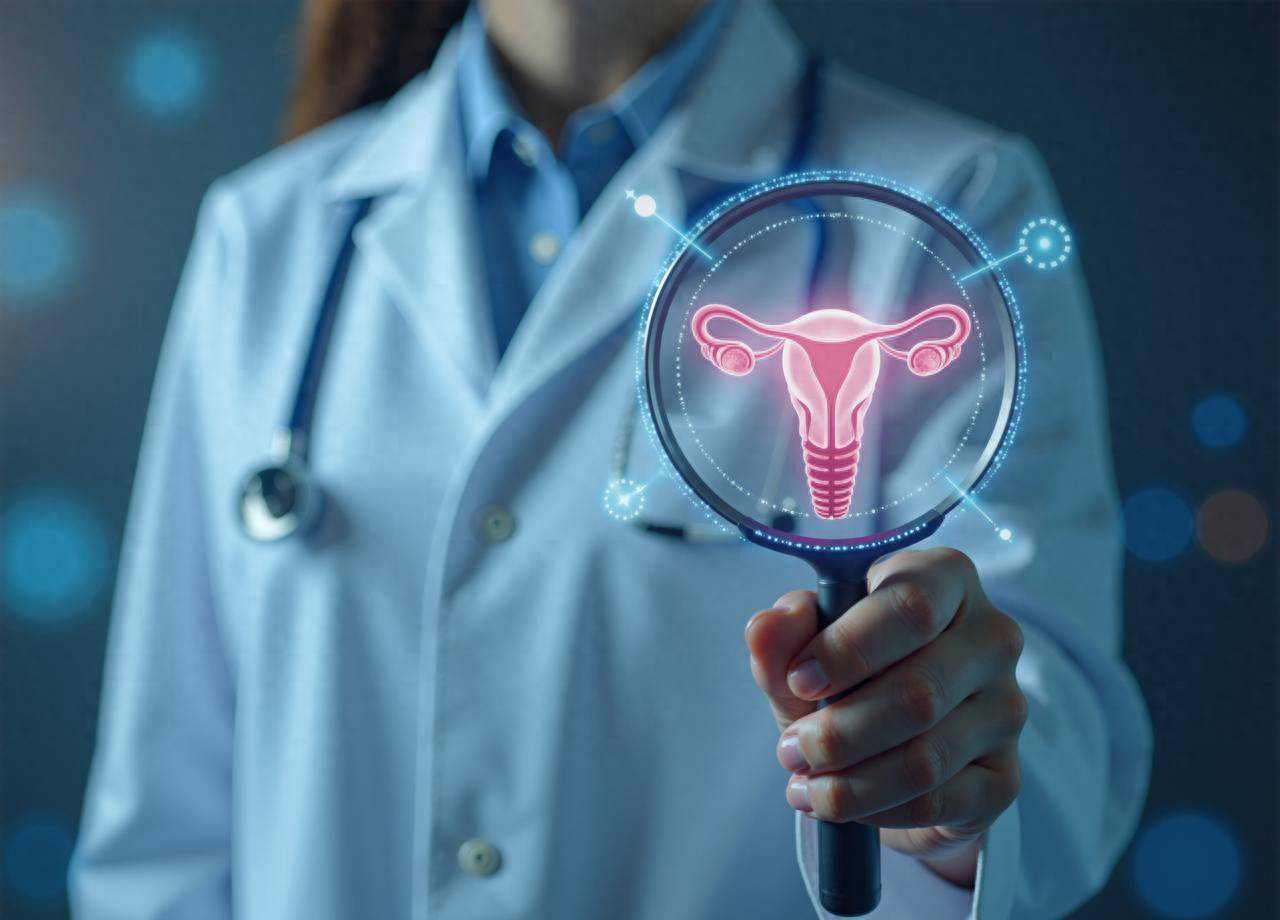
For many women, the menstrual cycle is often reduced to the days of bleeding. However, this monthly cycle is a complex and vital sign of overall health, akin to a fifth vital sign. Understanding its phases offers profound insights into your physical, emotional, and reproductive well-being.

A typical cycle averages 28 days, but anything between 21 and 35 days is considered normal. It’s governed by a delicate dance of hormones—primarily estrogen and progesterone—produced by the ovaries, pituitary gland, and hypothalamus. The cycle is divided into four key phases.
First is the menstrual phase (days 1-5), where the uterine lining sheds. This is your period. Common symptoms range from mild cramps and fatigue to more intense pain (dysmenorrhea). Next comes the follicular phase (days 1-13), which overlaps with menstruation. The brain signals the ovaries to prepare an egg, and estrogen levels rise, leading to a thickening uterine lining and often a boost in energy and mood.
The ovulatory phase (around day 14) is when a mature egg is released. A surge in luteinizing hormone triggers ovulation. Some women feel a slight pain (mittelschmerz) and may notice a change in cervical mucus, which becomes clear and stretchy, like egg whites. This is the fertile window. Finally, the luteal phase (days 15-28) sees the release of progesterone to prepare the uterus for a potential pregnancy. If fertilization doesn’t occur, hormone levels drop, leading to premenstrual symptoms (PMS) like bloating, breast tenderness, mood swings, and the eventual start of a new period.
Tracking your cycle is empowering. Use a calendar, app, or journal to note the start and end of your period, along with symptoms like mood, energy, sleep quality, and cervical mucus. This data can help you identify your fertile window for family planning, predict your period, and recognize irregularities that may signal underlying issues, such as Polycystic Ovary Syndrome (PCOS), thyroid disorders, or fibroids.
Irregularities like consistently missed periods (amenorrhea), extremely heavy bleeding (menorrhagia), or severe pain should prompt a consultation with a healthcare provider. Your cycle is a powerful health dashboard. By paying attention to its rhythms, you move from simply enduring your period to actively understanding and optimizing your hormonal health.